You need the density, not just the volume
Milliliters measure space; grams measure mass. To go from one to the other you multiply by the ingredient's density, which is different for almost everything.
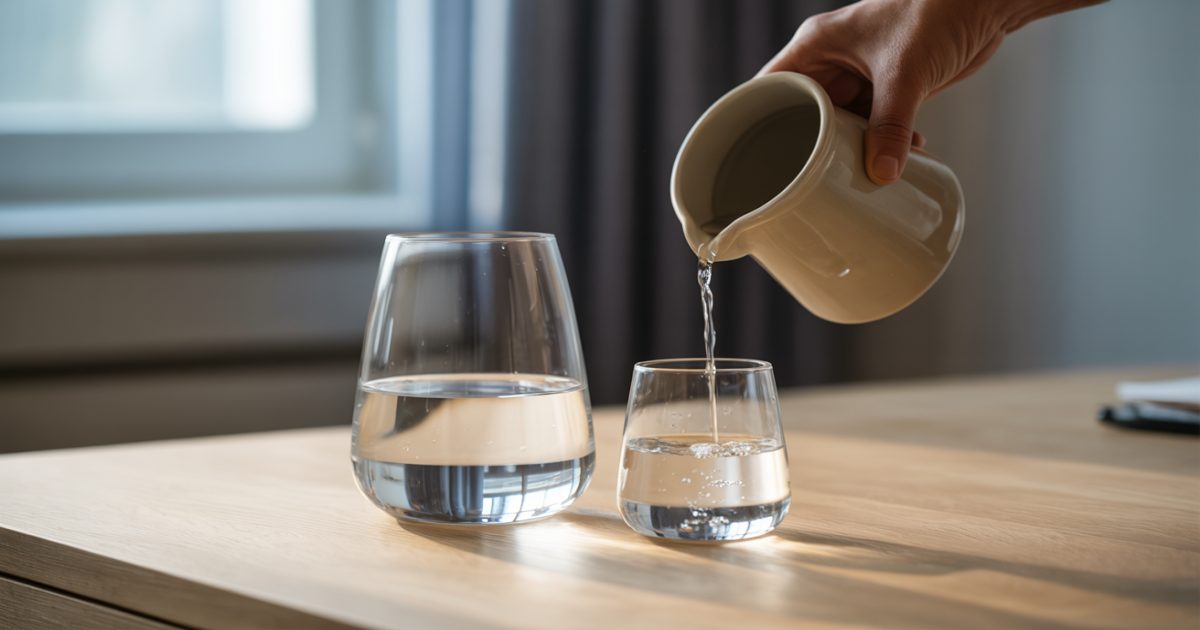
Only water is 1:1. The metric system was designed around water, so 1 mL of it weighs exactly 1 g. Every other ingredient is lighter or heavier: oil floats below 1, syrups and honey sit well above it, dry powders fall far below.
Density of common ingredients
| Ingredient | g/mL | 100 mL | 250 mL |
|---|---|---|---|
| Water | 1.00 | 100 g | 250 g |
| Whole milk | 1.03 | 103 g | 258 g |
| Honey | 1.42 | 142 g | 355 g |
| Maple syrup | 1.33 | 133 g | 333 g |
| Olive oil | 0.91 | 91 g | 228 g |
| Vegetable oil | 0.92 | 92 g | 230 g |
| Melted butter | 0.91 | 91 g | 228 g |
| Granulated sugar | 0.85 | 85 g | 213 g |
| All-purpose flour | 0.53 | 53 g | 133 g |
| Cocoa powder | 0.40 | 40 g | 100 g |
To go the other way, divide grams by the density: 142 g of honey ÷ 1.42 = 100 mL.
Where the conversion drifts
- Flour depends on how you scoop. The same cup of flour can weigh anywhere from 120 to 150 g depending on whether it is loose or packed. The 0.53 g/mL figure assumes a loose scoop, so weighing beats measuring by volume.
- Warm oil is lighter. Oils thin and expand as they heat, so density drops about 2% for every 10°C. Hot frying oil reads nearer 0.81 g/mL than the 0.91 at room temperature.
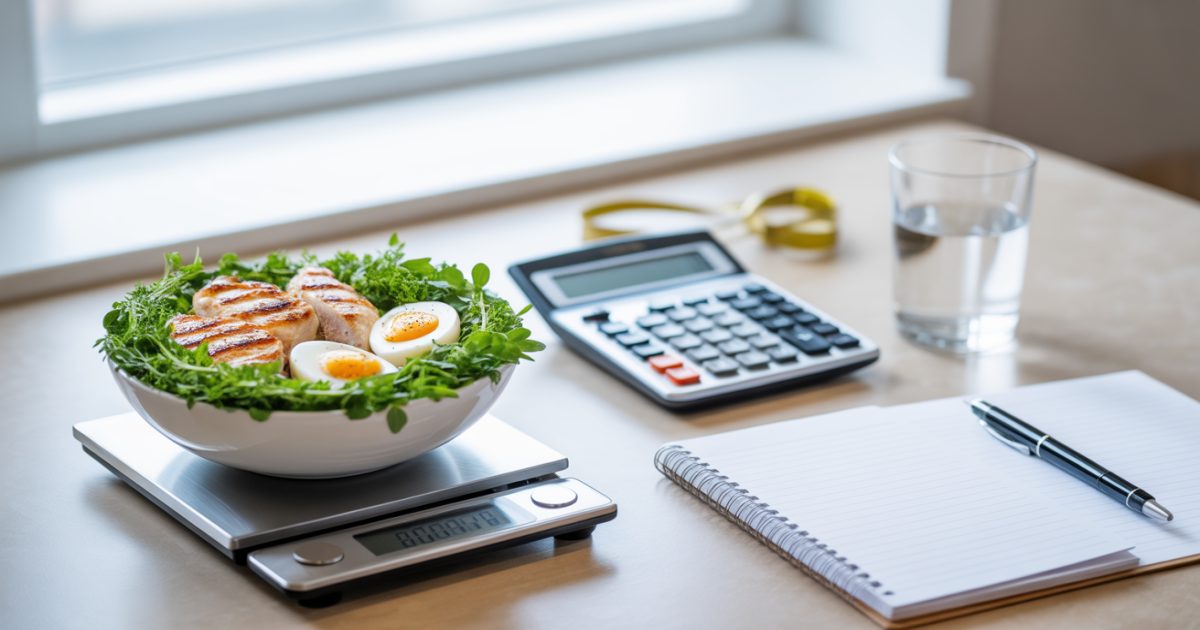
- This is why bakers weigh. A scale reads the mass directly and sidesteps every density, moisture and scooping quirk at once.
Common questions
Is 1 mL the same as 1 gram?
Only for water. The metric system was built so that 1 mL of water weighs 1 gram. Everything else has its own density, so 1 mL of honey is 1.42 g and 1 mL of flour is about 0.53 g.
How do I convert mL of milk to grams?
Multiply by 1.03, since milk is slightly heavier than water. So 200 mL of milk is about 206 g.
Why does flour weigh so much less than water per mL?
Flour is a powder with air trapped between the grains, so it does not fill the space as tightly as a liquid. That is why 100 mL of flour is only about 53 g.