Dry rice roughly triples when cooked
The ratio depends on the type. Most long-grain white rice, basmati and jasmine expand about 3×. Brown rice is denser and only reaches about 2.5×. Working backward, divide the cooked amount you need by the same ratio to get the dry rice to measure.
Yield by rice type
| Rice type | 1 cup dry → cooked | Water ratio |
|---|---|---|
| White (long-grain) | ~3 cups | 2 : 1 |
| Basmati | ~3 cups | 1.75 : 1 |
| Jasmine | ~3 cups | 1.75 : 1 |
| Brown | ~2.5 cups | 2.5 : 1 |
| Arborio | ~2.8 cups | 3 : 1 (stirred) |
| Wild | ~3.5 cups | 3 : 1 |
Water ratio is cups of liquid per cup of dry rice for the absorption method. It sets how the rice cooks, not the yield — the yield comes from the expansion ratio.
Two things worth knowing
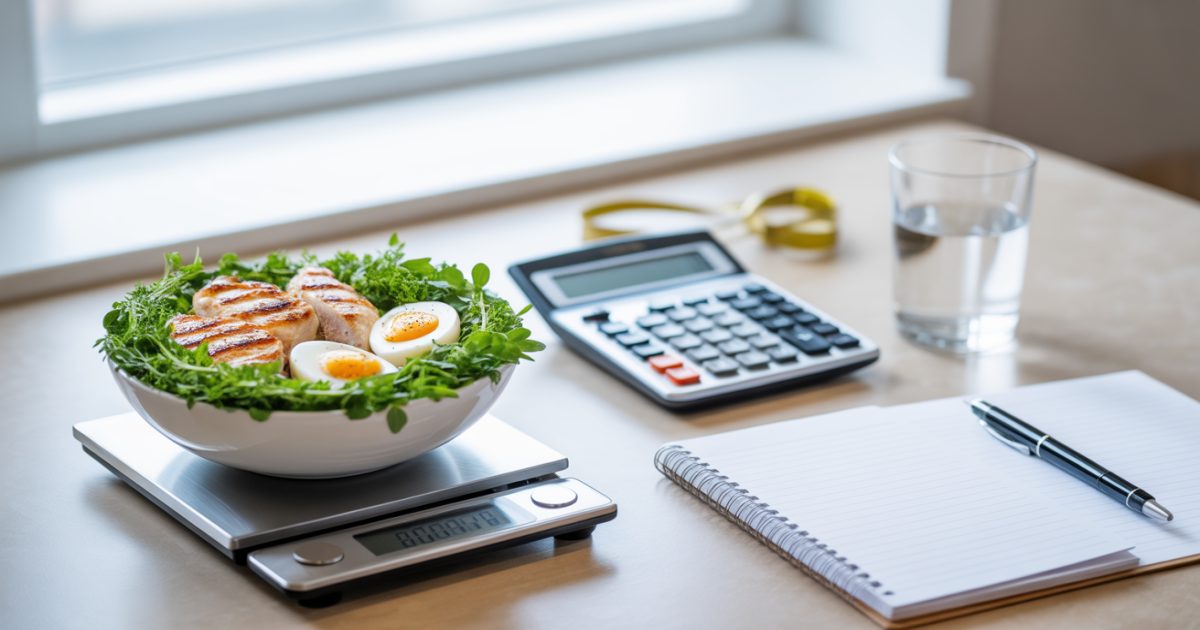
- Weigh, don't scoop. A "cup" of dry rice runs 175g loose to 200g packed — a 14% swing that throws off your water. A kitchen scale (185g = 1 cup white) is far more repeatable. A handy rule: dry rice weight × 1.7 ≈ cooked weight, across every type.
- Boil-and-drain yields less. Cooking rice like pasta and draining it loses starch to the water, cutting the final volume by 10–15% versus the covered absorption method.
Common questions
How much cooked rice does 1 cup of uncooked make?
About 3 cups for white, basmati or jasmine rice. Brown rice yields around 2.5 cups because its bran layer slows water absorption, and wild rice expands the most, to about 3.5 cups.
How much dry rice do I need per person?
For a main dish, count on 1 cup cooked per person, which is about a third of a cup of dry white rice. As a side, half a cup cooked per person is enough, so a cup of dry rice feeds six as a side.
Why does cooked rice have fewer calories per cup than dry rice?
Cooked rice is roughly two-thirds water. A cup holds far fewer grains than a cup of dry rice, so a cooked cup of white rice is about 206 calories versus 645 for a dry cup. Per gram the calories are the same — it is the volume that fools you.